#OutToLunch The collapse of Katonga bridge is an opportunity to utilize and protect Lake Victoria

#OutToLunch The collapse of Katonga bridge is an opportunity to utilize and protect Lake Victoria

By Denis Jjuuko

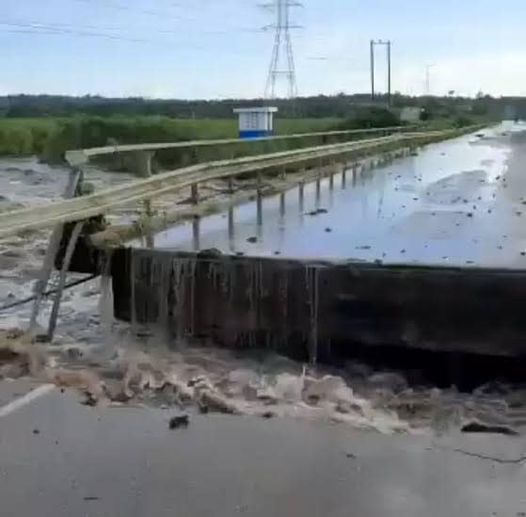
Torrential rains swept away the Katonga bridge along the main road between Kampala and Masaka. In western Uganda, not just roads were destroyed, some people lost their lives too. For centuries, Katonga river has been known to burst its banks leading to a saying among the Baganda that whatever you do, make sure it is done fast (Abaganda mulya, Katonga ajjula!). This was after Katonga had cut off some people from Buganda who had gone to Buddu for an expedition during those territorial wars but instead of returning in time, they sat down and simply enjoyed what Buddu had to offer. In those days, Buddu was part of Bunyoro Kitara and Katonga formed part of the border. Due to its riches, Kabaka Jjunju annexed Buddu in the 1600s.

And for centuries after Buddu was annexed to Buganda, Lwera was protected by the Mamba (lungfish) Clan to ensure that their totem doesn’t become extinct but most importantly to protect Lake Victoria. These guys made all these decisions and enforced them without PhDs in environmental studies and related fields.

Anyway, the point is that since the 1600s or thereabouts, we have known how Katonga behaves but we managed to build a bridge that was easy to be swept away. We also knew that building factories, establishing rice farming and sand mining businesses would create an environmental disaster but we simply licensed them. We also knew that every December, some part of the road around Lwera collapses but we simply install some culverts and wait for the disaster to happen again the following year.

Some sources claim that although we knew about Katonga and its erratic behaviors, we didn’t have money to build the bridge that would last may be 50 years. We went for the easy part and now we are paying for it.

To Uganda National Roads Authority or UNRA’s credit, they had worked on a route through Gomba and Ssembabule that motorists could use though it makes the Kampala-Masaka distance longer by nearly 100km. However, the Katonga river still passes through this Gomba route and if torrential rains continue, chances are that this road will also be cut off. Nabajjuzi near Bukalasa in Villa Maria may do the same too.

Building roads and bridges is expensive but we should not be constructing them for short term. If the Gomba route had been planned as the alternative one, the bridges or culverts should have been made in a way to last longer. If the Gomba route becomes inaccessible, it will be a disaster of unimaginable levels for Uganda’s economy, which is already suffering from high inflation and rampant unemployment.

Goods to south western Uganda and neighboring countries would have to be taken through Fort Portal, Kamwenge to Mbarara. Many people would not be able to afford basics not just in that part of the country but also the capital Kampala. Matooke and other food stuffs would become more expensive. Coffee would remain in stores in Masaka.

So as UNRA temporarily fixes the Katonga bridge which will take three weeks according to their official statement, the Katonga disaster is a call to get back to the basics. Factories should not be licensed to establish themselves in wetlands where they easily dump their toxic waste. People shouldn’t be allowed to build in wetlands either. Rice farming and sand mining should be restricted as well.

The ecological systems of our water bodies are far more important than growing rice. And like former Vice President Gilbert Bukenya taught us, rice can be grown upland. Factory owners can think of waste disposal beyond doing so in wetlands. Those who want to build residential homes can still find land elsewhere.

The challenge with Uganda’s development has been the concentration of every little thing within a radius of about 80km of Kampala and where they are established elsewhere, it is still in wetlands around the major towns like we saw in Mbale. Can’t factories be established in areas that aren’t wetlands? How come factories exist in other countries that were largely deserts before?

However, the Masaka-Kampala highway is also getting old even though was constructed less than 20 years ago with many parts especially on the left-hand side as you go to Masaka in need of repair or replacement. This is mainly because of the heavy trucks that use it yet Lake Victoria is underutilized.

Goods from Kenya to Masaka or even Rwanda and DRC could be loaded at Kisumu on ferries and transported to Masaka from which trucks can take them. Lake Victoria can also be an alternative route in decongesting the Masaka-Kampala road. Regular scheduled ferries and modern boats can pick people from Port Bell and drop them in Bukakata or even towards the Tanzania border. This would create a water economy. We are underutilizing Lake Victoria while burdening it with our excesses in environmental destruction.

The writer is a communication and visibility consultant. djjuuko@gmail.com
Related

Out to Lunch

#OutToLunch: Ugandan musicians should think beyond miming at kwanjula and weddings

By Denis Jjuuko Musicians in Uganda have been in celebratory mood after the country’s parliament passed the the Copyright and Neighbouring Rights (Amendment) Bill, 2025. They argue that once the bill is assented to by the president as expected, they will earn lots more money than they are doing today. That they will be rewarded for their efforts. Ugandan music has come from a long way. In the 1990s, very few Ugandans considered music as their professional career. There were professional music groups that still exist such as Afrigo and some other bands/musicians, but many didn’t earn that much. If the amended bill is to make them earn more, that is even better. The bill seems to be very important to Uganda’s music industry as there seem to be a resurgence of the foreign content like it was in the 1990s. Congolese musicians ruled the airwaves and the stages at Gaba Beach, Nakivubo Stadium and the beaches of Entebbe. Singers like Jose Chameleone, Bebe Cool and Bobi Wine broke that dominance and Ugandan musicians started filling stadiums on their own. Congolese musicians stopped owning the concert stages in Kampala. The Kingdom of Buganda had in 1996 launched the popular CBS radio which further played local music on the airwaves and organised Ekitobeero music festivals that among which provided the platform for Ugandan music to thrive. Music entrepreneurs like Hope Mukasa at his Sabrinas Pub provided another platform, karaoke, that saw many wannabe musicians practice their craft. Sabrinas would lead to the emergence of the famous I-Jay duo of Irene Namubiru and Juliana Kanyamoozi. Ugandan music was on cloud nine. Musicians stopped singing for beer and now were being paid professional fees. Kasiwukira and company would buy the records, make cassettes and sell. Telecoms, looking for ways to reach the masses signed them up. Nightclubs held musicians like the celebrities they were becoming. Video mixing became the norm in nightclubs and every little bar. You could actually spend a whole night in a bar with only Ugandan music being played. Many young people dreamed of becoming musicians. Many lived the dream. Today, the industry is pivoting a bit. Foreign shows are back in Uganda including of Congolese like Awilo Longomba, Ya Levis and Fally Ipupa. Kofi Olomidde turns up once in a while including at a recent Afrigo 50th anniversary. Nigerian music is dominating the airwaves. There is perhaps no bar or nightclub today that only plays Ugandan music for the entire night. The changes in the industry may perhaps explain the gusto with which some of the most known Ugandan musicians invested in the amended copyright bill. They see it as a saviour even though royalties have been corrected on their behalf by organisations like the Uganda Performance Rights Society for years. As the musicians were celebrating the passing of the amended bill in parliament, their counterparts in Nigeria were being ranked as the top earners in Africa on music streaming platform Spotify. It was revealed, that Nigerian musicians earned more than US$43m in 2025 from Spotify by pulling in a combined 30.3billion streams, which is about 1.6 billion hours of listening time. Nigerian music has been globally embraced featuring in more than 320 million user-generated playlists according to reports. Barack Obama, the former US President, releases his annual playlist around December every year. For years now, a Nigerian musician appears on his list, which he posts on his X account of nearly 120 million followers. The Nigerians are developing music that cuts across borders and appeals to worldwide audiences. You have seen them perform at even the World Cup and being regularly nominated in Grammys among other international awards. In Uganda, some of the leading musicians instead of thinking global, they concentrate on Gulu city, where they book rooms for weeks doing whatever they can so that they can meet Gen Salim Saleh. He has publicly rebuked them before to their embarrassment. But do they listen? They see politics as the only means to scale. Those who become famous because of their ability to dance and sing forget about what made them famous once they make it. They appear at shows to mime, walk about the stage while spending some considerable time talking about their imaginary haters or reminding others how beautiful they are. Less time is devoted to practicing before performing. Tshaka Mayanja, a legendary music promoter and musician has always talked about this. The audience in Uganda is small and the economy is even smaller yet music transcends borders. Ugandan musicians should therefore think beyond miming at kwanjula and weddings and create music that has a global appeal so that they can earn from a global audience. Cozying up to politicians won’t sustainably make them earn better even when copyright bills as assented to. The writer is a communication and visibility consultant. djjuuko@gmail.com
Read More »
Out to Lunch

#OutToLunch: Ugandan businesses embracing the region signals good things to come

By Denis Jjuuko For many years, Ugandan businesses relied on many things Kenyan. Employees in the hospitality industry, advertising, creative, transport, logistics and even banking among others. Of course, Kenya is a bigger economy which has also not been largely disrupted by war. They had expertise that we lacked. So, it must have been easier for them to set up here or sending their goods to Kampala. Of course, there were Ugandans doing lots of stuff in Nairobi. In the 1970s and 1980s, many Ugandan experts were exiled in Kenya working as medical doctors, lawyers, teachers, businessmen, and political ‘external wingers’ among other jobs. Singers Jose Chameleon and Bebe Cool got their breakthroughs after recording in Nairobi studios. Later, Ugandan radio presenters made Nairobi home. Private radio had developed faster in Uganda after the liberalization of the airwaves in 1993 than in Kenya. However, if you needed technical expertise on many things, Kenya seemed to be the ideal destination. Ugandan entrepreneurs like James Mugoya and Bulaimu Muwanga Kibirige (BMK) had set up businesses there in the construction and automotive sectors among others. But still, there was an imbalance. Kenyan businesses set up more in Uganda than Ugandan businesses did in Kenya or elsewhere. That trend seems to be changing. First, many Ugandan big businesses like banks were run by Kenyans and other foreigners. There was a time a few years ago when almost all the banks in Ugandan had foreign CEOs. Today, the majority of banks are run by Ugandans. And some Ugandan executives are now running big businesses in Kenya, like Bamburi Cement. Second, in recent years, we saw Omar Mandela set up his popular Café Javas in Nairobi. It became an instant hit with the hippy Nairobians looking for a place that is well known for its customer care and great food. Kenyan managers had been running the hospitality industry in Uganda and now, a Ugandan businessman was taking the game to their capital. Café Javas today has more outlets in Nairobi than Kampala and Entebbe combined. Perhaps, other Ugandans are learning from Mandela. Since last year, we have had at least three Ugandan businesses in the entertainment and marketing world set up in Nairobi. Fenon, Swangz Avenue and Talent Africa Group all now have offices in Kenya. Previously, the entertainment and marketing businesses relied somewhat on Kenyan experts and even equipment to pull off events and marketing campaigns. Ugandan businesses are now playing on their grass. In tourism, we are also seeing Amos Wekesa’s Great Lakes Safaris operating a hotel in Tanzania. A few years ago, we saw Centenary Bank starting operations in Malawi. Many other Ugandans are also doing business in southern Africa. The BMK Group has operations in Zambia and many others have taken the same route. Rwanda, South Sudan, Burundi and the Democratic Republic of Congo are some of the other markets where Ugandan businesses are operating. It is remarkable that Ugandan businesses are growing and expanding in the region. Previously, we looked on haplessly as largely Kenyan businesses took over markets even after the Ugandan army had pacified some of those countries. South Sudan comes to mind. Ugandans for example in South Sudan operated the smallest of businesses — curio shops, barber kiosks and roadside restaurants. Kenyans operated banks and other big stuff thereby gaining more from regional trade. Uganda’s economy is largely concentrated within a radius of 80km of Kampala. That limits growth for some of the businesses yet economies like Kenya are way bigger than ours. The East African Community has a population of nearly 350 million people with a nominal GDP of about US$350 billion making it a market that we can’t simply ignore. Uganda has been pushing for exports into these regions while facing many barriers including infrastructural ones in countries like the DRC. And if we only export there after even constructing their roads, we miss out on some opportunities that are extended to registered businesses in those markets. However, we shouldn’t be limited to only the region. With geopolitical pressures across the globe, there is even more need to expand to take on sectors that may not be well catered of as global players concentrate on their main markets or scale down in others. Businesses which may not be ready to go it alone should look for companies they could merge with or acquire to get a footprint in those particular markets easily. The writer is a communication and visibility consultant.

Read More »
Out to Lunch

#OutToLunch: Had Iran been Uganda, what would we have done?

By Denis Jjuuko When the planners of the war on Iran sat to make the final decision, they perhaps envisaged a quick win. Fly in, kill the leader and a few others and the country would collapse. Your chosen leaders would then take over and pledge allegiance, after all you are the world’s super power. Oil would flow to wherever you want it. As the leader of America, Donald Trump would be expected to stand somewhere in the White House and announce how the greatest military on Earth has performed. The new leaders in Tehran would repost his every post. A red carpet would soon be rolled out at the White House where the new leaders in Tehran commit to pay allegiance to the Americans and their Israeli backers. Washington would announce the end of sanctions and beckon American companies to take on the reconstruction of Iran. A date for a return visit to Tehran would be announced. Donald Trump would step on the improvised steps of Air Force One and utter the word ‘freedom’ while clenching his fist. At a speech in Tehran where school kids are waving paper flags of Iran and USA, he would warn others of what will come if they don’t fall in line. Fox News would declare him the greatest leader America has ever had. Trump would demand the Nobel Prize committee to award him. He has saved the world of potential nuclear weapons. Hollywood writers would scramble for pieces of paper to script a blockbuster. However, Iran seems to have had different ideas. The writers must now be writing but not the grand movie. American contractors are waiting, unsure when their reconstruction deals will be inked. Trump posts one thing after another, perhaps once in a while, remembering the famous quote from Sun Tzu’s the Art of War: the best way to win a war is not to fight. Iran defied the odds. Two military powers have dropped thousands of bombs on its facilities and leaders but it has been able to somewhat fight back and even forced ceasefire talks in Islamabad, Pakistan even if they ended without any deal. When you think of Iran, you always want to think of Africa or at least one country in Africa since the continent is not homogenous. Is there one that can stand up to the world powers? Perhaps none. Our natural resources are not used strategically. In fact, they have been a source of endless wars. Look at the Democratic Republic of Congo for example. I consider them the richest country on earth but they can’t even complete their Inga Dam or construct bitumen standard roads. Uganda, a potholed nation, is helping them in the eastern parts of the country. Nigeria had to wait for a private person to build a mega oil refinery. They preferred to export crude and import the refined products. If an individual businessman can mobilize resources and build a refinery, what about a country? And you can say that about all oil producing countries on the continent. We have conditioned ourselves to export raw materials and import everything. The Iranians didn’t wait to import everything. They made their Shahed drones, they developed their missiles program and created a system that wasn’t depending on a single strongman whose assassination would lead everything to crumble. They built universities and given that they are forcing Americans to sit on a negotiation table, it means they didn’t fill their key positions based on blood relationships or who could praise their leaders loudest. They also understood leverage. Their location provided them with the Strait of Hormuz through which 20 percent of the world oil passes. They understood that 20% of the world’s oil can’t be ignored. They understood that their location gives them an opportunity to fight back or take the war to the enablers of their adversaries. They didn’t spend half their time blaming the Americans for the economic sanctions imposed on them. They found a way to prepare themselves for a war that they knew that one day would come. Had the Iranians been some of the African leaders, they would be blaming colonialists while sending their kids to western universities and keeping whatever money they land on in Swiss banks. Research and development would mean nothing. The most energetic labour force would be carted off to find jobs as domestic workers while being urged to save and come back and be job creators. Had we been Iran, how would we be strategically using River Nile, Lake Victoria, the near perfect weather we sing about and all the resources we have? The writer is a communication and visibility consultant. djjuuko@gmaio.com

Read More »