Platform Economy Growth in Uganda: Tackling Gender Gaps and Improving Conditions for Young Workers

Platform Economy Growth in Uganda: Tackling Gender Gaps and Improving Conditions for Young Workers

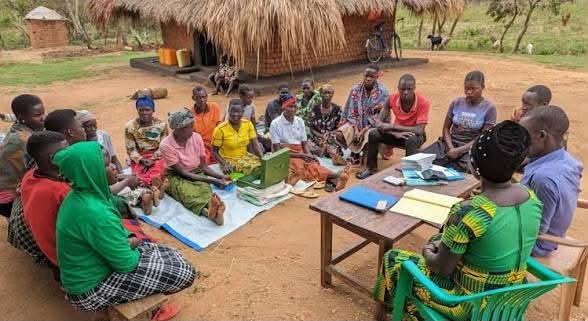
The International Labour Organization (ILO), in partnership with the Ministry of Gender, Labour and Social Development, has released an important report highlighting the challenges and opportunities in Uganda’s Platform Economy. Titled “Platform Work in Uganda: Promoting Decent Work for All,” the study, conducted in collaboration with Makerere University, surveyed 647 platform workers across sectors including taxi services, delivery, online freelancing, and e-commerce to understand the landscape of digital labour platforms in Uganda. The report identifies key opportunities, challenges, and gaps in current policies.

During the report launch on Wednesday, November 20, 2024, at the Four Points by Sheraton Hotel in Kampala, Raymond Wasukira, Senior Labour Officer, who represented the Permanent Secretary of the  the Ministry of Gender, Labour and Social Development (MGLSD) stated that “the findings of this report will guide us in addressing the gaps in Uganda’s platform economy to ensure that workers benefit from decent and equitable opportunities.” He added that collaboration between government, platforms, and stakeholders is key to achieving this goal.

Evans Lwanga, the Chief Technical Adviser for ILO PROSPECTS Uganda, echoed similar sentiments. “This report highlights the need for urgent policy interventions to ensure platform workers in Uganda are not left behind in the digital economy,” he said.

Key Findings

The report highlights that digital labour platforms have seen consistent growth since 2015, with 18 local and international platforms currently in operation. Although location-based services such as Uber, Bolt, SafeBoda, and Jumia are gaining popularity, the report indicates limited adoption of online freelance platforms due to the digital divide.

The report further reveals that that platform workers are predominantly young (ages 28-32) and well-educated, even in traditionally low-skilled sectors. While freelancers earn higher hourly wages compared to conventional workers, significant income insecurity remains, the report notes.

Additionally, earnings among platform workers vary considerably by sector and gender, with women earning  less than men. A significant gender gap exists within freelance work, with men earning an average of 16,472 shillings (US$4.4) per hour for total work compared with 11,075 shillings (US$3) for women. Women earn almost 35% less than men, and this could partly be due to the occupational segregation of tasks as women are disproportionately concentrated in lower-paying fields like writing and administrative support, while men dominate in tasks such as IT and data analysis.

The report notes that while the majority of men (86%) believed that they received fair compensation for their online work, only 57% of women reported the same. This aligns with the findings that men tend to earn more, underscoring a significant pay gap between genders.

Long working hours are alarmingly prevalent, with taxi drivers and delivery workers working an average of 75–79 hours per week. The demanding and often unpredictable nature of platform work takes a toll on workers’ well-being, as they are often stressed. According to the report, freelancers work an average of 46 hours per week, with women working slightly more (50 hours) than men (45 hours). However, a significant portion of this time (10 hours) is unpaid, dedicated to activities like searching for tasks (67%), researching clients (38%), unpaid self-study (38%), client communication (29%) and profile-building (24%).

The survey findings reveal that the majority of workers transitioned to platform work from other jobs. This is primarily due to a lack of available jobs or a desire for better income and skill development opportunities. This transition from previous jobs is evident in the taxi (81%), and delivery (77%), with a smaller but still significant proportion in online freelancing (43%). While one-third of these workers in the taxi and delivery sectors previously worked in related fields, the remainder transitioned from different sectors. Freelancers typically came from salaried positions in various fields. About 58% of the sellers transitioned to the e-commerce marketplace and social media platforms from other jobs and one-third of them worked in related fields.

The challenges outlined in the report include, a lack of social protection for many workers, such as health insurance and pensions, and the prevalence of algorithmic management practices, which restricts workers autonomy and increases stress. Common issues also include account deactivations and unpaid tasks that has an impact on their earnings and livelihoods.

Despite the informal support available through social media, there is minimal organised advocacy for worker rights, indicating a need for greater collective action and unionization.

Recommendations

To ensure decent work conditions for platform workers, the report recommends several policy reforms. Establishing clear legal frameworks to classify workers and define employer responsibilities, guaranteeing the right to organize and engage in collective bargaining, and introducing tailored social security mechanisms for platform work. Addressing occupational safety and health (OSH) risks specific to platforms and enhancing data protection and ensuring transparency in algorithmic processes are the other key recommendations.

As Uganda’s digital economy continues to grow, this report accentuates the urgency of implementing fair and inclusive policies. These findings are timely as the ILO gears up for deliberations on promoting decent work within the platform economy during the upcoming 2025 and 2026 International Labor Conferences.

About the ILO

The International Labour Organization is a UN agency uniting governments, employers, and workers from 187 member states to promote decent work globally.

The ILO in Uganda is actively implementing initiatives to harness the potential of the digital economy in creating job opportunities for youth. These efforts focus on developing digital skills and facilitating job matching within the gig economy, including in refugee settlements. Other key activities include awareness-raising training on labour laws in collaboration with Uganda’s workers union apex body,  National Organization of Trade Unions (NOTU) and the launch of a new Community of Practice initiative led by the Federation of Uganda Employers, aimed at fostering collaboration and compliance with decent work principles in the digital economy.


Related

Out to Lunch

#OutToLunch: A daily brunch could be what one needs as cost of living skyrockets

By Denis Jjuuko A few months ago, if you owned a small car and fueled it with just Shs100,000 or about US$30 at the time, you almost forgot about fuel for a whole week if you lived and worked around Kampala. Today, Shs100,000 worth of fuel lasts a day or two in the same vehicle while covering the same distance. If you went to a market for groceries, what you used to walk away with a few notes of the shillings is now significantly less. There was a time when meat was affordable to at least an average middle-class home in Kampala. Today, a kilogram costs as much as Shs20,000 at a roadside makeshift butchery. The cost of alternatives like beans has also gone up. If you add on the money one can spend on energy to boil them, things are now very tight. As the cost-of-living skyrockets, there is a need for households or individuals to tighten the ship. A few ways to do so. *Brunch*– Many Kampalans especially the youths love brunches. There is a brunch in Kampala almost every weekend in so many places. A brunch means a late-morning meal that combines both breakfast and lunch. It is now time to do that every day to save some money. That way money that would have been spent on two meals is saved by having one meal. This means eating a late breakfast or an early lunch but not both. *Rideshare*– It is time to share rides to work. Since most of you are already in the neighborhood WhatsApp group, it is time to now establish who works near each other and is willing to share a car. If you are five people, each can decide to drive one day. That way you have saved fuel for four days and significantly reduced your expenses. Of course, you will have to forego something when you share a vehicle. Online meetings are now more important than ever. *Bodaboda riding* – If the boda is your main means of transport, it is now time to learn how to ride one if you didn’t know already. Go buy a scooter that is electric and be your own rider. You can actually buy an electric bicycle. They cost about Shs2m on average. You have seen those ones ridden by the food delivery guys. If you have been spending on average Shs10,000 per a day on the conventional boda, with your own electric bicycle, you will be spending about Shs2,000 a day or less covering the same distance. You just need to ensure you have enough electricity units at home to charge a few days (you can charge at work and your manager won’t even notice). This means you have saved Shs240,000 per a month or Shs2.88m a year, enough to buy the bike and even keep some change. If you charge at work and your boss covers the cost of charging, you are traveling for free and saving everything. The last time I was in Ouagadougou, everyone seemed to ride a bike. Corporate bankers, suited lawyers, nurses, civil servants, everyone including the female ones. Today, I won’t mention some European cities. *Eat at home or pack lunch* – If your workplace doesn’t provide a free lunch, you may have to now wake up early, warm the food and pack for the brunch. You would not only eat the stuff that you are sure of the quality, you would also be saving money. If you work in some formal organization, I believe that somebody has donated to you a flask cup (is that what they call them?). Time to put it to work. Pack the porridge or the tea to your workplace. It is even considered fancy. Want to go out on a date? I hear it is romantic to cook the food at home. *Cook only what we will be eaten* – Globally, statistics from United Nations Environmental Programme show that about 30-40% of the food prepared for consumption is lost or wasted. If you look at your kitchen sink or garbage bin, you will realize how full it is after every meal with wasted food. Be strict on what your people prepare especially if they aren’t the ones who buy it with their money. Let them cook either what they will eat or buy some packs so they can have it stored. Leftover food once warmed before consumption has never caused a problem to anyone. *Tame the water bill* – Water in Kampala used to be affordable or even cheap. Not anymore. Regularly check your toilets to ensure there is no leakage. Recycle water as well whenever possible. Harvest some water as well. The rains are coming or already here. *Electric pressure cooker* – They are very affordable and efficient nowadays. Buy one and reduce your costs and even times of preparing meals. There is nothing cool about eating food prepared using firewood or charcoal. Lastly, invest whatever you have saved. The writer is a communications and visibility consultant. djjuuko@gmail.com

Read More »
Out to Lunch

#OutToLunch: Listing businesses could be solution to rampant family feuds

By Denis Jjuuko The majority of Ugandan entrepreneurs who started making real money in the 1960s, 1970s and even mid 1980s are on their way out. Age has finally caught up with them. Until super effective anti-ageing drugs are invented, there isn’t much they can do about it. It is a natural thing. They must embrace it. There is, however, an interesting trend for many of these ultra-wealthy individuals. Their children are fighting over the estates and companies. Every few months, stories emerge where children are fighting their parents or siblings over the control of the vast wealth these people possess. Some of them accuse their surviving parents and siblings of unspeakable stuff. If they aren’t doing that, they are trying to shortchange each other. Many times, where the parents are still alive, there isn’t much they can do. They are either too old or sick to fight. Some prefer to ignore the issues and leave the children to fight once they (parents) are long dead. Solutions have been offered such as watertight wills and creation of trusts. Inheritance laws have been amended from time to time but the fights are emerging more than ever. Wills are disputed. Trusts are largely a new thing in Uganda and we may have to wait to see how that pans out. For now, courts are full of siblings going for each other’s necks over assets. Newspapers are carrying the stories. Surviving parents must be having sleepless nights over what they need to do to avoid the same challenges the families of their peers are going through. Traditionally, parents have largely given out the significant part of their wealth when they are dead. That is why wills are disputed where they exist. Some who think they should have received more are always unhappy. I have previously argued that parents especially those who are lucky enough to age and/or suffer long illnesses could give out their assets when they still can. If one is suffering from a disease that won’t be cured, what is the purpose of holding large swathes of land till death? Why not give them out to the people you intend to give them to? The recipients may be unhappy, but you will still be alive to explain your decisions if you have to. And most likely, those decisions will be honored or there will be time for the beneficiaries to take full ownership. A small percentage can be kept for the benefit of the surviving parent. But for those running sizeable businesses at least by Ugandan standards, there is a need to ensure the businesses are properly run and then listed on the securities exchange. This means that the children don’t necessarily have to run the business as they may not be interested. They may also lack the skills and tenacity required to run the business. Being the child of a founder doesn’t necessarily mean that they (children) inherited the skills required. In Uganda, many founders who are aging today didn’t come from a lot of money. They worked their backs off to establish the empires they own today. Many times, children from money grow up pampered and shielded from the realities of the environment in which they are supposed to thrive once their parents are gone. They are also growing up in the era of social media where flexing is the order of the day. Pretending to be rich is something that many people wish to do. The high-end lifestyle collapses the businesses. Yet listing the businesses and having proper management teams running the business can ensure that kids enjoy the lifestyle they have always wanted while not burdened with the intricacies of running a business. They don’t have to wake up at 5.00am on a daily to ensure things are working. At an offer of a good salary, somebody can do that for them willingly and diligently. They can attend a few meetings a year or simply wait for their annual or bi-annual dividends. They can live the life they all desired. It is much better than unbundling the empire into small business units with different ownerships that end up unsustainable on their own. The writer is a communications and visibility consultant. djjuuko@gmail.com

Read More »
Out to Lunch

#OutToLunch: Should parents give away their wealth when they are still alive?

By Denis Jjuuko There is a series of videos that has been trending on TikTok and other social media platforms where a son is accusing his biological mother of killing his biological father by denying him treatment abroad and/or sanctioning an operation she knew he wouldn’t survive. The videos have been circulating because the deceased was a prominent businessman and one of the wealthiest people in Uganda. And the son claims wealth was the reason his father “was murdered”. The accusations have caused discussions on social media. Lawyers have recorded podcasts on writing wills and what the law says. Upon listening to these stories, some people said they had started the process of writing wills. Anyway, fights over property aren’t new and they will never end. Not long ago, somebody else took his father to court accusing him of being too sick to run his business empire and therefore should be appointed his successor. The father who was taken to court is also one of the wealthiest people in the country. It is perhaps the first case in Uganda where one demands for their inheritance when the parent is still alive since the famous prodigal son Bible story. Many families face this problem including those without wealth to write home about. First born sons are known to throw tantrums when not named heirs of their fathers. Some go at length of forging wills so that they are named heirs or disputing wills of their fathers. Others where they are not elected heirs in case a will didn’t exist cause unbelievable chaos once they lose the election. Others forcibly occupy the properties while many sell off to unsuspecting buyers and refuse to share with their siblings or even surviving parents. If you watch some of the local news on TV, you will see children evicting their mothers or relatives dislodging widows. Given the stories that are today going around, wealthy people must be having sleepless nights thinking about what will happen to their estates once gone. More money more problems, Notorious BIG told us decades ago. In one of those podcasts and X Spaces that have been organised to discuss wills and inheritance, a lawyer from a prominent Kampala law firm urged people to will themselves something. He said when you are writing your will, give yourself 30%. People gasped for breath on hearing that. What would a dead person do with 30%? It didn’t take too long for him to argue that the 30% is what you should be enjoying before you die. He was perhaps aware that there are many people who live miserable lives while preserving everything for the children. The children, if one is lucky, will wait for the parents to die before going for each other’s throats over the property or even sell it off before the deceased is even buried. The unlucky ones are taken to court or accused of killing their spouses. Somebody told me that to forestall these fights, he regularly goes on dates with his children reminding them at every given opportunity that his wealth is his and his wife’s only. That he has taken them to the best schools and therefore they have received already their inheritance. He tells them that his wealth wasn’t bequeathed to him by his parents. He claims they have listened and understood. Maybe they have. But when he isn’t around anymore or in a position where he can’t make decisions, things may turn out different. You see, most people think they have done a great job of raising their children. The children are good at disguising themselves as well. Once the parent is gone or severely incapacitated, the true colors are revealed. This isn’t just in Uganda. The Rupert Murdoch children have been fighting over News Corp (Fox, Sky etc.) for years though they recently agreed to a trust agreement. Their father is still alive but at 95 years old unable to reign them in. What should parents especially the wealthy ones do? Create a trust that manages the properties and distribute the proceeds as instructed but that idea is still new in Uganda. The easiest way could be for wealthy parents to distribute the assets when still alive, transfer full ownership to those being bequeathed. Many people have done that and limited the flow of bad blood once dead or severely incapacitated. The writer is a communication and visibility consultant. djjuuko@gmail.com See less

Read More »