
Tanzania

Out to Lunch

#OutToLunch: Ugandan businesses embracing the region signals good things to come

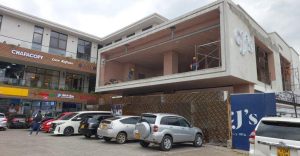
By Denis Jjuuko For many years, Ugandan businesses relied on many things Kenyan. Employees in the hospitality industry, advertising, creative, transport, logistics and even banking among others. Of course, Kenya is a bigger economy which has also not been largely disrupted by war. They had expertise that we lacked. So, it must have been easier for them to set up here or sending their goods to Kampala. Of course, there were Ugandans doing lots of stuff in Nairobi. In the 1970s and 1980s, many Ugandan experts were exiled in Kenya working as medical doctors, lawyers, teachers, businessmen, and political ‘external wingers’ among other jobs. Singers Jose Chameleon and Bebe Cool got their breakthroughs after recording in Nairobi studios. Later, Ugandan radio presenters made Nairobi home. Private radio had developed faster in Uganda after the liberalization of the airwaves in 1993 than in Kenya. However, if you needed technical expertise on many things, Kenya seemed to be the ideal destination. Ugandan entrepreneurs like James Mugoya and Bulaimu Muwanga Kibirige (BMK) had set up businesses there in the construction and automotive sectors among others. But still, there was an imbalance. Kenyan businesses set up more in Uganda than Ugandan businesses did in Kenya or elsewhere. That trend seems to be changing. First, many Ugandan big businesses like banks were run by Kenyans and other foreigners. There was a time a few years ago when almost all the banks in Ugandan had foreign CEOs. Today, the majority of banks are run by Ugandans. And some Ugandan executives are now running big businesses in Kenya, like Bamburi Cement. Second, in recent years, we saw Omar Mandela set up his popular Café Javas in Nairobi. It became an instant hit with the hippy Nairobians looking for a place that is well known for its customer care and great food. Kenyan managers had been running the hospitality industry in Uganda and now, a Ugandan businessman was taking the game to their capital. Café Javas today has more outlets in Nairobi than Kampala and Entebbe combined. Perhaps, other Ugandans are learning from Mandela. Since last year, we have had at least three Ugandan businesses in the entertainment and marketing world set up in Nairobi. Fenon, Swangz Avenue and Talent Africa Group all now have offices in Kenya. Previously, the entertainment and marketing businesses relied somewhat on Kenyan experts and even equipment to pull off events and marketing campaigns. Ugandan businesses are now playing on their grass. In tourism, we are also seeing Amos Wekesa’s Great Lakes Safaris operating a hotel in Tanzania. A few years ago, we saw Centenary Bank starting operations in Malawi. Many other Ugandans are also doing business in southern Africa. The BMK Group has operations in Zambia and many others have taken the same route. Rwanda, South Sudan, Burundi and the Democratic Republic of Congo are some of the other markets where Ugandan businesses are operating. It is remarkable that Ugandan businesses are growing and expanding in the region. Previously, we looked on haplessly as largely Kenyan businesses took over markets even after the Ugandan army had pacified some of those countries. South Sudan comes to mind. Ugandans for example in South Sudan operated the smallest of businesses — curio shops, barber kiosks and roadside restaurants. Kenyans operated banks and other big stuff thereby gaining more from regional trade. Uganda’s economy is largely concentrated within a radius of 80km of Kampala. That limits growth for some of the businesses yet economies like Kenya are way bigger than ours. The East African Community has a population of nearly 350 million people with a nominal GDP of about US$350 billion making it a market that we can’t simply ignore. Uganda has been pushing for exports into these regions while facing many barriers including infrastructural ones in countries like the DRC. And if we only export there after even constructing their roads, we miss out on some opportunities that are extended to registered businesses in those markets. However, we shouldn’t be limited to only the region. With geopolitical pressures across the globe, there is even more need to expand to take on sectors that may not be well catered of as global players concentrate on their main markets or scale down in others. Businesses which may not be ready to go it alone should look for companies they could merge with or acquire to get a footprint in those particular markets easily. The writer is a communication and visibility consultant.
Read More »
Out to Lunch

#OutToLunch: Hoima City Stadium provides a blueprint for Uganda’s infrastructural development

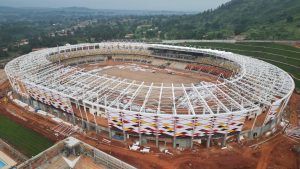
OutToLunch: Hoima City Stadium provides a blueprint for Uganda’s infrastructural development By Denis Jjuuko Ugandans may be consumed with what is taking place at the Mandela National Stadium at Namboole where Uganda is hosting some continental matches alongside their Pamoja partners Kenya and Tanzania. The three East African countries are jointly hosting the African Nations Championship (Chan), the precursor to Africa Nations Cup (Afcon), the continental soccer showpiece, which will take place in 2027. Hosting Afcon has always been largely the privilege of west and north African countries. This is the first time that East Africa will be hosting the soccer extravaganza. To do so, there was a need for stadiums and other infrastructure that meet the continental or even international standards. Namboole has been upgraded hence the ongoing Chan tournament. But what is also catching many people’s attention off the refurbished Namboole pitch is something that is taking place some 210km away in the oil rich city of Hoima. When Uganda was awarded the co-hosting rights of Afcon, many people wondered where would the tournament be held. Only Namboole had a chance of meeting the requirements albeit with some major modifications. New stadiums had to be built. Ugandans laughed hard and memes started flying on social media. Not because they are unpatriotic as some people quickly label those with divergent views. They had seen a project too many that couldn’t get done on time. They saw Uganda spending many decades constructing the 21km Northern Bypass that by the time it was completed, some cheeky people had started calling it a Bypath. They had heard endless stories about many infrastructure projects. The Jinja-Kampala Expressway, the Mpigi-Kampala Expressway and even easy to do small-small projects like Kyaliwajjala-Matugga road take forever to be done. They had become skeptical given the years it has taken Lubowa Specialized Hospital to get the building beyond the plinth wall. Airport terminal buildings? Another day please. They expected Hoima City Stadium to follow a similar path. Perhaps, because this involves some continental body in the Confederation of African Football (CAF), organisers of Afcon, the country finally awarded a contract to somebody who seems to know what they are doing in SUMMA, a Turkish outfit that has built a reputation for building stadiums in Africa and handing them over in time. What they have done since construction commenced in Hoima in September 2024 is sort of a miracle by Ugandan standards. With a budget of US$129m and constructing a 20,000-seat stadium, they have shown that a project can be worked on as scheduled. And I say this well knowing that they haven’t completed the job. Given the progress that they have made, there is no doubt that they won’t complete the job ahead of schedule. The Hoima City Stadium contractor is perhaps new in Uganda and hasn’t caught the usual bug. They have not blamed the rains like most contractors do. They have not said they can’t get materials because of the war in the Middle East or Ukraine. They haven’t blamed forex fluctuations. They haven’t blamed the invisible Powers from Above. They haven’t claimed local politicians are against the project. They have said nothing about witchcraft. They have not said Ugandans are lazy, don’t want to work and report for work while clutching sachets of illicit beverages. They have not said they can’t work at night. They have not said there is no budget or some release from the Ministry of Finance delayed. They have not appeared at any parliamentary committee to beg for this or that. Nobody has seen a letter from them asking the president for this or the other. They have simply gone on with the assignment. They have shown that Rome can be built in one day if we focused on it. That government infrastructural projects can be started and worked on as scheduled. And since we love benchmarking, the SUMMA project manager, once has finished their assignment, maybe should go on a workshop spree, teaching our contractors and their supervisors that projects today shouldn’t take as much time as building St Peter’s Basilica or the Notre Dame. And it isn’t difficult to complete projects on time. If you see an official whose desk is full of files, don’t then make him the project manager. If he can’t read the files on his desk on time, how would he manage a project that needs to be delivered on time? If money isn’t available, then don’t embark on launching the project. And hire a competent contractor. Hoima City Stadium is providing a blueprint we must all embrace. The writer is a communication and visibility consultant. djjuuko@gmail.com

Read More »
Out to Lunch

#OutToLunch: Karuma bridge should be rebuilt with tourism in mind

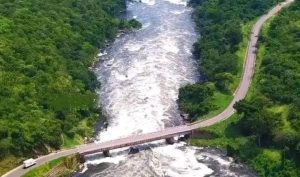
#OutToLunch: Karuma bridge should be rebuilt with tourism in mind By Denis Jjuuko As you read this, the main bridge to northern Uganda has been closed to pave way for repairs. The authority responsible says that they need three months of zero disturbances from vehicular traffic. For some time, the bridge has only been accessible by small vehicles with trucks and buses diverted to other routes. Originally constructed in 1963, the Karuma bridge has since outlived its purpose. It is too narrow for today’s traffic to the region and neighboring South Sudan and Democratic Republic of Congo (DRC). Access to the bridge is through winding corners, which could explain why some vehicles have in the past plunged into the river killing many people. The long-term plan for Karuma should be a replacement bridge like what happened in Jinja over the same River Nile. However, Karuma should be different. Recently, King Mswati III of Eswatini was in the country and stopped by the Jinja Nile bridge to take in the beauty of the majestic river and some photos. The bridge design doesn’t seem to have been fully planned for tourism. There was supposed to be a small restaurant on the bridge, a very small car parking area and what looks like a pathway people could stand. Nothing really much. The restaurant has never been opened and hardly anyone stops to take in photos or view the imposing Nile. Like Karuma, the meanest soldiers are usually seen patrolling the bridges. Photography is not even easily permitted. I don’t know if this is to protect them from terrorists but any serious terrorist doesn’t need some photo taken on a smartphone to blow up a bridge. The Jinja bridge is a landmark structure that could have brought in a lot of money if we had not, as usual, missed the chance. Some thinking was needed to turn it into a tourist attraction and not just as a bridge that eases traffic. In many global cities that attract thousands of tourists, such bridges are planned with an eye on tourism. High-altitude walking ways that provide sightseeing are common. Towers with telescopes from which people could view the Nile snaking into Kayunga and beyond would have created magic. Right now, all we offer for anyone who wants to explore the Nile in Jinja is largely a canoe that takes you to the point that is marked the Source of the River Nile. There is no proper marina, accessing the canoes is through a jungle of wooden dilapidated curio shops that make the entire place look like a slum. I don’t know how many tourists want to experience that. Imagine ziplining on the Nile in Jinja for those who love adventure or sightseeing through a cable car. People would be lining up from all over the world to experience this. A proper restaurant that enables you to experience the Nile. I believe many young people would be proposing marriage here. Karuma is even more beautiful than Jinja and could offer more. Imagine walking over a glass bridge that gives you a 360-degree view of the water falls? Imagine a sightseeing elevator that enables you to see River Nile cutting through the thick vegetation of the Murchison Falls National Park? And maybe even catch a few animals in the distance. The Karuma 600MW power dam would even add more attractions to this area and most importantly the electricity required to power cable cars and sightseeing towers and elevators. We know that we now generate more electricity than we consume. It is stuff like these that will enable us consume that electricity while creating millions of sustainable jobs. We are struggling to build another bridge at Katonga on the highway to Masaka, Tanzania, Rwanda and DRC. The NRM claims to have fond memories of Katonga given the battle that eventually led them to capture power in 1986. They went around at one stage and installed an ugly billboard that featured the late Muamar Gaddafi of Libya. Tired of its ugliness and lack of imagination, the termites ate it away! Then the Katonga bridge collapsed. It has been a few years of a temporary bridge since. What about building an iconic bridge with a museum that tells that Katonga battle? Add in the legends of River Katonga from the Baganda who have lived there for hundreds of years and you have a sellable product to international tourists. The guys at the Uganda National Roads Authority and other ministries and agencies particularly responsible for tourism need to work together to see how they can make bridges attract tourists. Money should not be a problem. They can ask Bank of Uganda to issue a bridge bond. It would be oversubscribed. The writer is a communication and visibility consultant. djjuuko@gmail.com

Read More »